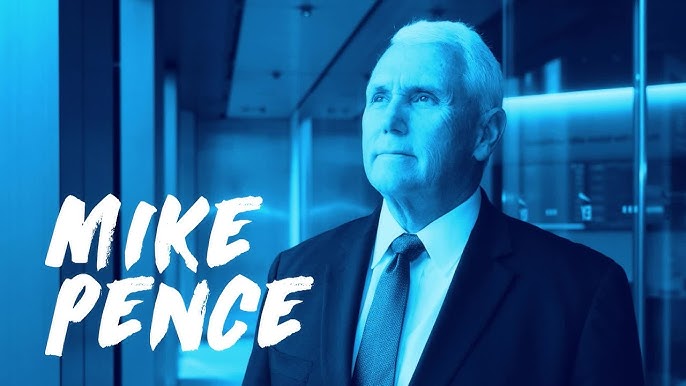
Mike Pence on Leadership and the Future of the Republican Party
Former US Vice President Mike Pence looks back on the events of January 6 2021, his final days in office with President Trump and his…
Thought Leader: Mike Pence

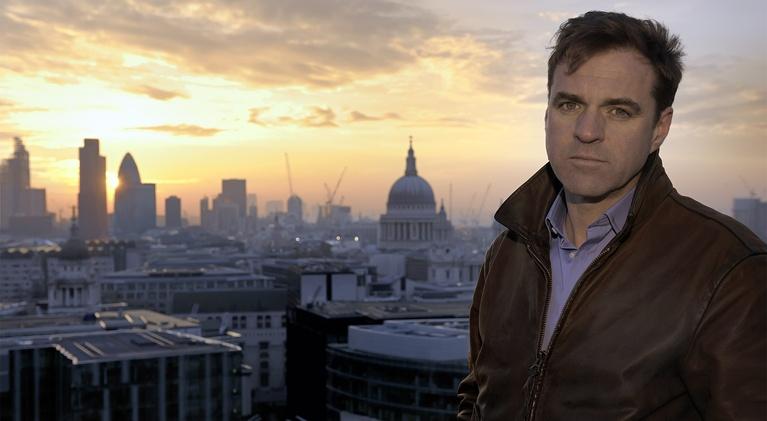
By Niall Ferguson (Original source The Times)
In the entrance to the US Senate members’ dining room there’s an old menu from March 24, 1941. On the back — presumably to record a bet — seven senators wrote the dates when they thought their country would enter the Second World War. Theodore G Bilbo, a Democrat from Mississippi, thought “never”. So did D Worth Clark, one of the two senators from Idaho. Millard Tydings, of Maryland, hedged, guessing either July 14, 1941 “or 1961”. A fourth senator said September 17, 1945.
Aside from Tydings, only three of the seven predicted the nation would be at war before the end of the year, and not one of them got the month right. (They guessed July 24, August 24 and September 24, whereas the Japanese attack on Pearl Harbor was on December 7 and the German declaration of war on America on December 11.)”
Click here to see more
Mike Pence on Leadership and the Future of the Republican Party
Former US Vice President Mike Pence looks back on the events of January 6 2021, his final days in office with President Trump and his…
Thought Leader: Mike Pence
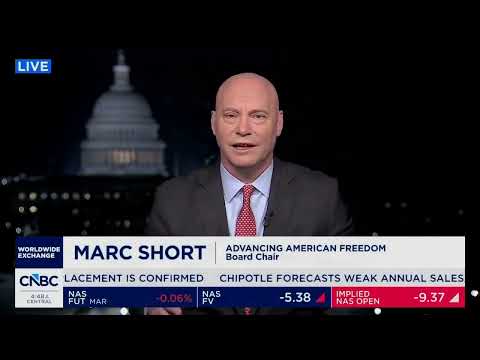
Marc Short on U.S. Investment in Critical Minerals
Why do critical minerals matter now? Marc Short explains how U.S. investment in critical minerals fits into a broader strategy around economic security, manufacturing, and…
Thought Leader: Marc Short
Marc Short on AI Policy and the Government’s Role in Chip Technology Investment
On CNBC, Marc Short breaks down the role of AI policy and how government investment is shaping the future of chip technology. A former Chief…
Thought Leader: Marc Short
Niall Ferguson: Trump’s World Order Live From Davos
Thought Leader: Niall Ferguson